
Compare Local Contractors for Effective Water Pooling Prevention
Compare local contractors for water pooling prevention to clarify scope, verify experience, and establish clear expectations for effective property drainage solutions.
Water pooling prevention involves a range of services aimed at managing excess surface water and ensuring proper drainage around a property. Contractors in this field typically assess existing landscape conditions, evaluate drainage patterns, and identify areas where water tends to collect. Their work may include installing or improving drainage systems such as French drains, grading land to direct water away from structures, and implementing surface modifications like swales or retaining walls. The goal is to create an effective water management plan that reduces the risk of pooling, which can lead to property damage or safety hazards.
Clearly defining the scope of work is essential to ensure that property owners receive services aligned with their specific needs. A detailed scope might specify the types of drainage solutions to be implemented, the areas to be addressed, and any necessary site preparations. Having these details in writing helps prevent misunderstandings and ensures that all parties agree on the work to be performed. It also provides a basis for evaluating the experience and expertise of different service providers, as contractors often specialize in particular drainage methods or landscape modifications. Establishing a comprehensive scope early on can lead to more effective project planning and successful outcomes.
Property owners can compare local contractors for water pooling prevention by considering their experience with similar projects and their familiarity with local landscape conditions. It’s advisable to ask service providers about their previous work, especially projects comparable in size or scope. Verifying whether they understand the specific drainage challenges in the area can provide insight into their capability to deliver effective solutions. Additionally, reviewing written proposals or estimates that detail the scope of work can help in making an informed decision. Comparing how contractors define project scope and their approach to problem-solving can assist property owners in selecting a provider best suited to address their water management needs.
Compare local contractors by outlining your priorities, verifying experience, and setting clear expectations in writing.
- Compare Contractor Experience - Review the background and project history of local contractors to ensure they have relevant experience.
- Define Project Scope Clearly - Outline specific tasks and responsibilities to prevent misunderstandings during the water pooling prevention work.
- Verify Qualifications and References - Check references and previous work to assess the reliability and quality of local service providers.
- Document Expectations in Writing - Establish detailed agreements that specify the scope, responsibilities, and standards for the project.
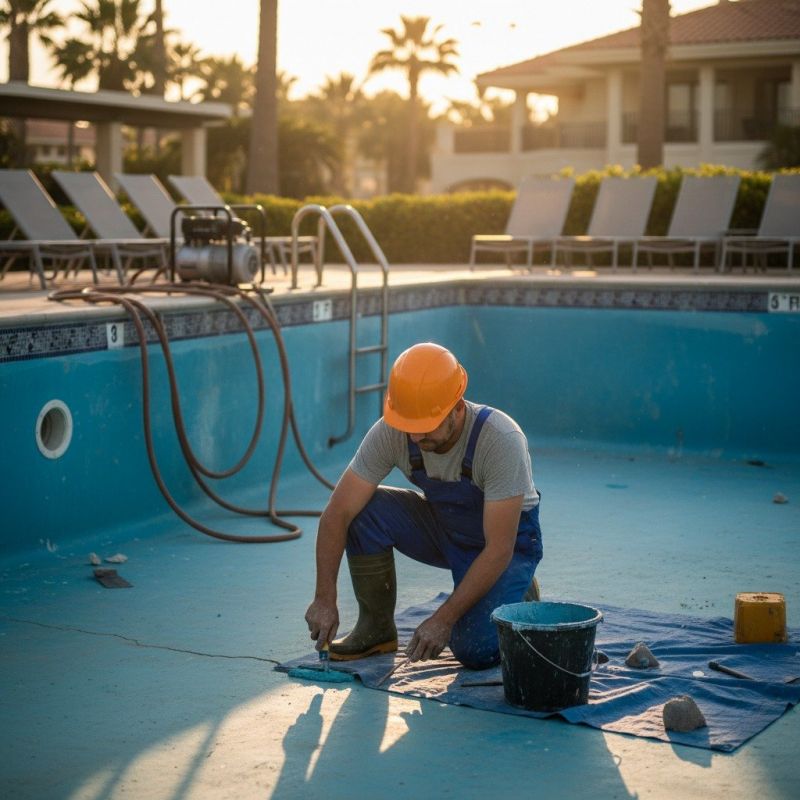
Compare local contractors by clearly describing your project and scope, verifying experience, and setting expectations in writing.
- Assess drainage solutions - ensure contractors can implement effective grading and drainage systems to prevent water accumulation.
- Verify experience with water management - look for service providers with a proven track record in installing or maintaining water diversion features.
- Review scope of work in writing - clarify the specific measures to be taken to address pooling issues and document them clearly.
- Check for proper site assessment - confirm contractors evaluate existing landscape and soil conditions that may contribute to pooling.
- Discuss long-term maintenance plans - understand what ongoing efforts or inspections are recommended to sustain water drainage effectiveness.
- Compare warranties and guarantees - evaluate service providers’ commitments to addressing pooling issues after project completion.
Compare local contractors' experience and scope options to ensure clear expectations for water pooling prevention projects.
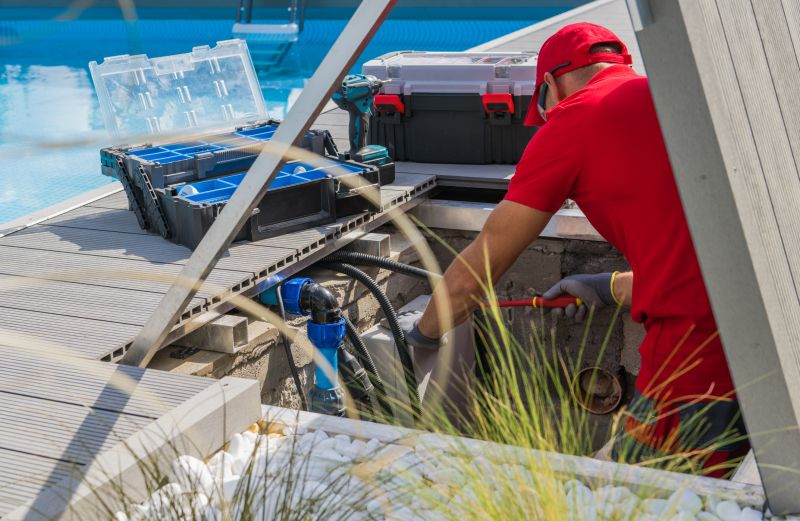
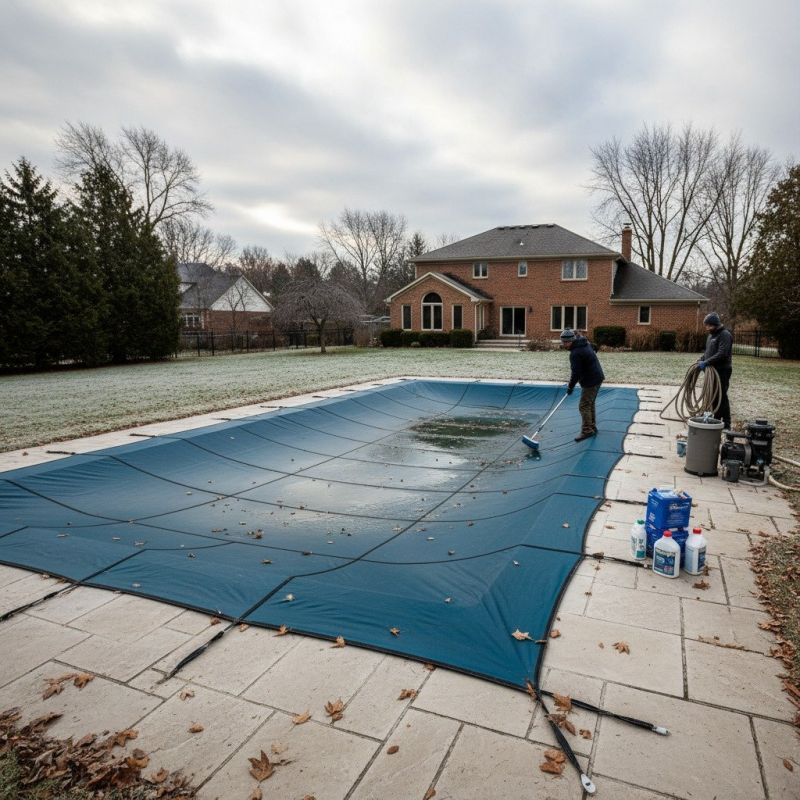
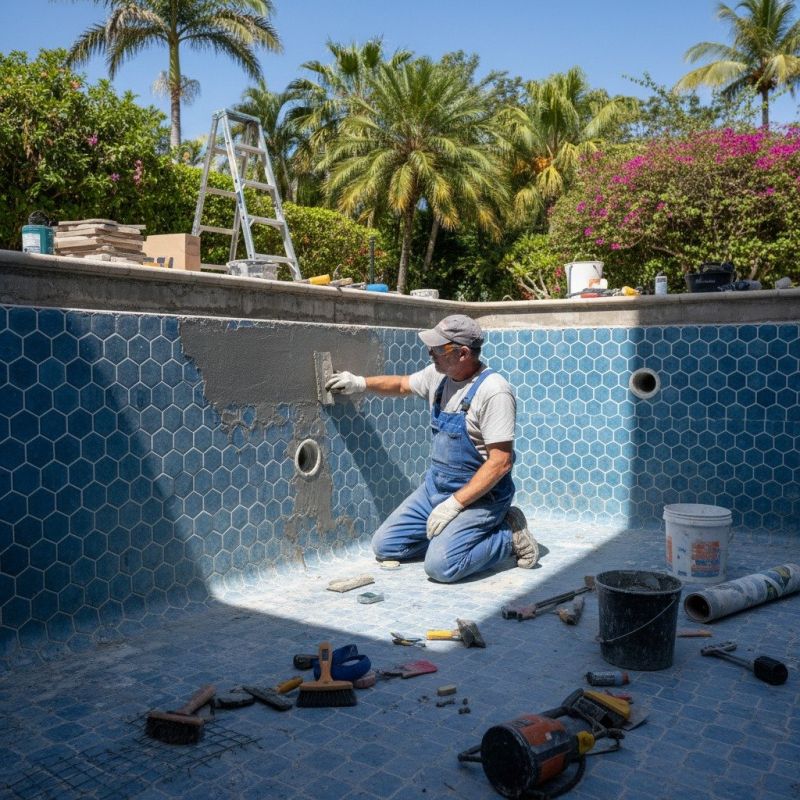
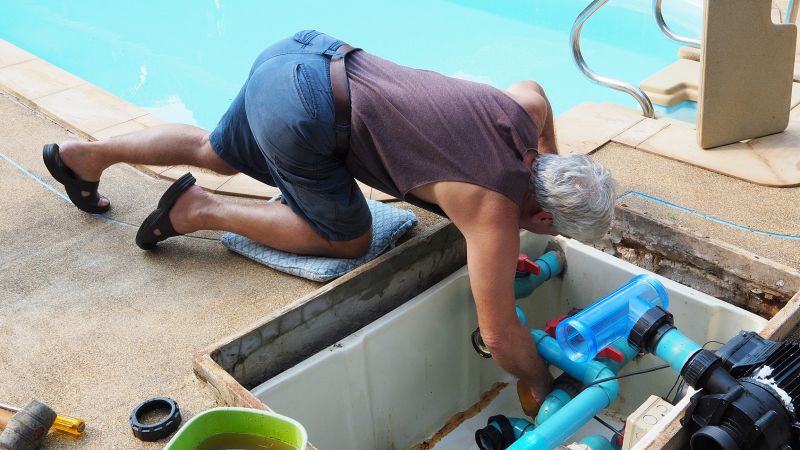
Learn how to compare local contractors for water pooling prevention by defining scope, verifying experience, and setting clear expectations.
- Identify scope of work - clearly define the specific drainage and grading tasks needed to prevent water pooling around the pool area.
- Verify experience - assess the background of local contractors with water pooling prevention projects to ensure relevant expertise.
- Set clear expectations - outline desired outcomes and performance standards in written agreements with service providers.
- Compare service providers - evaluate multiple local contractors based on their scope, experience, and approach to water pooling prevention.
- Document project details - maintain written records of scope, responsibilities, and agreed-upon methods to ensure clarity throughout the project.
When comparing contractors for water pooling prevention, it’s important to evaluate their experience with similar projects. Service providers who have a proven track record in addressing water drainage issues in residential settings are more likely to understand the complexities involved. Inquire about their past work to determine if they have successfully handled projects comparable in scope and site conditions. A contractor’s familiarity with different soil types, landscape features, and drainage solutions can provide insight into their ability to manage your specific needs effectively.
Clear communication is essential when establishing expectations for water pooling prevention. A detailed, written scope of work helps ensure that both parties agree on the project’s objectives and the methods to be used. Service providers who can articulate their approach in plain language and provide a comprehensive outline of the tasks involved demonstrate professionalism and transparency. This clarity can help prevent misunderstandings and ensure that all aspects of the project are considered before work begins.
Verifying a contractor’s approach involves understanding their basic verification methods. Ask how they plan to assess the site’s drainage issues and what criteria they use to determine the most appropriate solutions. Reliable contractors often perform initial inspections, evaluate existing grading, and consider potential water flow paths. They should be able to explain how they will verify the effectiveness of their work once completed, such as through testing or follow-up assessments. Clear verification procedures help confirm that the project’s goals are met and water pooling is effectively addressed.
When evaluating options among different service providers, consider how each one proposes to handle your project without focusing solely on price. Look for detailed descriptions of their proposed solutions, the materials they intend to use, and their approach to ensuring lasting results. Comparing the scope of work, methods, and verification practices can reveal which contractors are more thorough and aligned with your expectations. Taking the time to review these aspects helps identify service providers who are capable of delivering a comprehensive, well-structured approach to water pooling prevention.
Ask contractors to provide written scope details to ensure clear expectations and consistent project understanding.
- Experience and Expertise - How do contractors demonstrate their experience with water pooling prevention projects?
- Scope of Work - What specific services and measures do local contractors include to prevent water pooling?
- Comparison Criteria - How can different contractors' approaches and methods be compared effectively?
- Project Expectations - Are the scope details and responsibilities clearly outlined and documented in writing?
- Previous Projects - Can contractors provide examples or references of past work related to water pooling prevention?
What should I consider when choosing a contractor for water pooling prevention? It's important to compare the experience and scope of services offered by different local contractors to ensure they can address your specific drainage concerns effectively.
How can I verify a contractor's experience with water pooling prevention? You can review their past projects, ask for references, and check if they have relevant experience handling similar drainage issues in your area.
What questions should I ask a contractor before hiring for water pooling prevention? Inquire about their approach to drainage solutions, the methods they use, and how they define the scope of work to ensure it meets your needs.
Why is it important to have a written scope of work for water pooling prevention projects? A clear, written scope helps set expectations, defines responsibilities, and ensures both parties agree on the services to be provided.
How do local service providers typically address water pooling issues? They assess the site, identify causes of poor drainage, and implement solutions such as grading, drainage installation, or modifications to prevent water accumulation.
What are the benefits of comparing multiple contractors for water pooling prevention? Comparing different local contractors allows for evaluating their experience, scope of services, and approach to find the best fit for your drainage needs.
Understanding the importance of proper water pooling prevention, visitors learned how to compare local contractors effectively by defining the scope of work, verifying experience, and setting clear expectations in writing. This approach helps ensure that the chosen service providers are well-suited to handle the specific needs of the project. Taking these steps can support making informed decisions when selecting a contractor for water pooling prevention.
To find the right local contractors, visitors are encouraged to use the quote form to compare options available in their area. Connecting with experienced service providers allows for a better understanding of the services offered and helps facilitate a smooth process. Exploring multiple local options can assist in identifying the best match for addressing water pooling concerns efficiently.