
Compare Local Contractors for Drainage Installation Success
Compare local contractors to define project scope, verify experience, and set clear expectations for drainage installation to ensure a successful outcome.
Drainage installation services typically encompass a range of work aimed at managing excess water around a property. This can include installing underground pipes, drainage basins, or channels to direct water away from foundations, basements, and landscaping. Proper drainage helps prevent issues like flooding, soil erosion, and water damage, contributing to the overall stability and safety of a property. Contractors may also evaluate existing drainage systems, identify problem areas, and recommend solutions tailored to the specific landscape and soil conditions of the property.
Clearly defining the scope of a drainage installation project is essential for ensuring the work meets the property owner’s needs and expectations. A well-outlined scope specifies the extent of the work, including the areas to be drained, types of drainage systems to be installed, and any necessary site preparations or modifications. Having this clarity helps prevent misunderstandings, ensures all parties are aligned, and provides a basis for detailed communication with service providers. Documenting the scope in writing can also serve as a reference throughout the project, helping to manage expectations and address potential issues proactively.
When comparing local contractors for drainage installation, property owners should consider several practical factors. Verifying the experience and expertise of each service provider can offer insight into their ability to handle specific drainage challenges. It’s also helpful to review their past work or request references to gauge quality and reliability. Additionally, obtaining detailed descriptions of the proposed scope and ensuring it aligns with the property’s needs can facilitate more meaningful comparisons. By evaluating these aspects and asking questions about their approach and methods, property owners can better identify service providers who are capable of delivering the desired results.
Compare local contractors by outlining project priorities, verifying experience, and clearly defining scope and expectations in writing.
- Compare Contractors - evaluate multiple local service providers to find the best match for drainage installation needs.
- Define Scope Clearly - outline specific project requirements to ensure all parties agree on the work to be performed.
- Verify Experience - check the background and past work of local contractors to assess their suitability for drainage projects.
- Get Written Agreements - ensure all project details, expectations, and responsibilities are documented in a formal agreement.
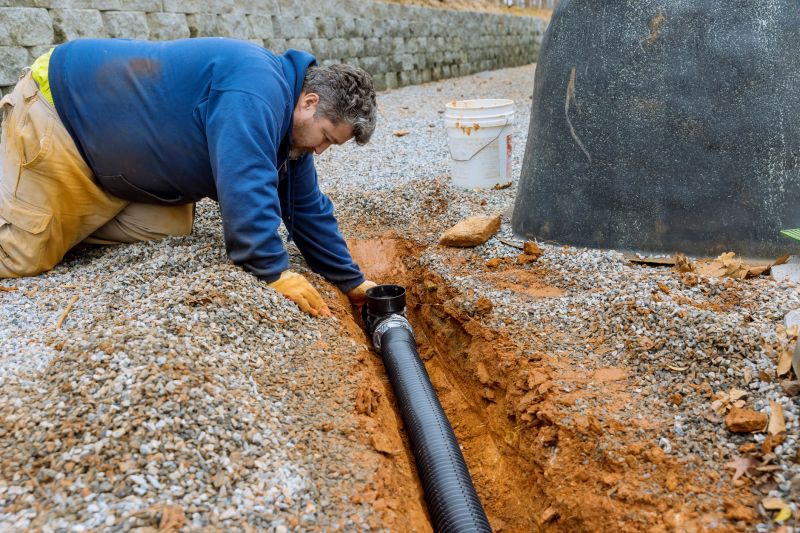
Clearly describe your drainage installation project to effectively compare options and ensure contractor expectations align.
- Verify the contractor’s experience with drainage installation projects of similar scope and complexity. - Ensure the service provider clearly defines the scope of work and project expectations in writing.
- Assess the contractor’s understanding of proper drainage system design and installation practices. - Look for local contractors who can explain their approach to ensuring effective water flow and drainage.
- Check that the contractor provides a detailed written proposal outlining materials, methods, and project deliverables. - Confirm that all project details are documented to prevent misunderstandings.
- Ensure the contractor is knowledgeable about local soil conditions and drainage requirements. - Choose service providers familiar with the area's specific drainage challenges.
- Compare multiple local contractors to evaluate their proposed solutions and scope of work. - Use comparison to identify the most suitable drainage installation service provider.
- Request references or examples of completed drainage projects similar to the scope of the work. - Verify experience and quality of work through previous customer feedback or project samples.
Compare local contractors' experience and services to clearly define your drainage installation project scope.
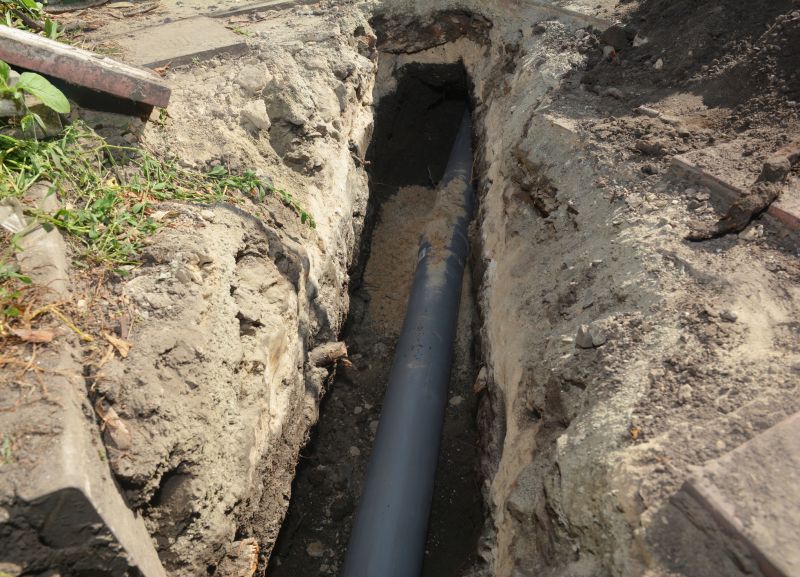
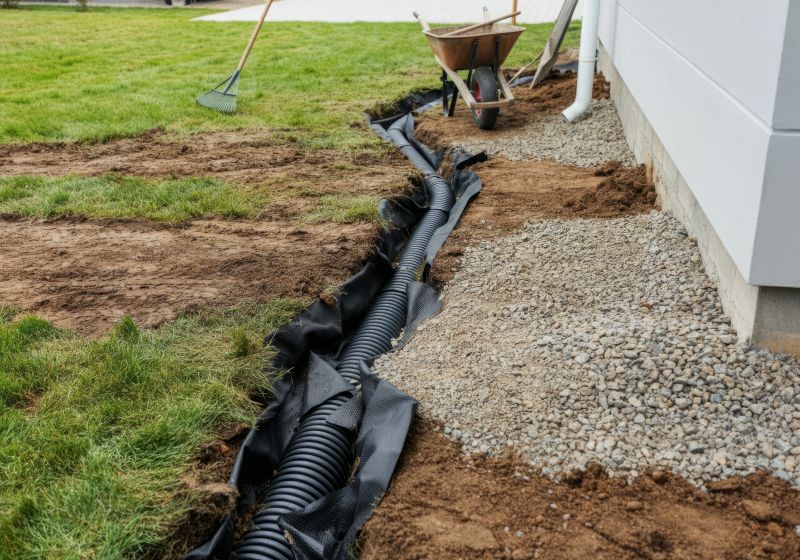
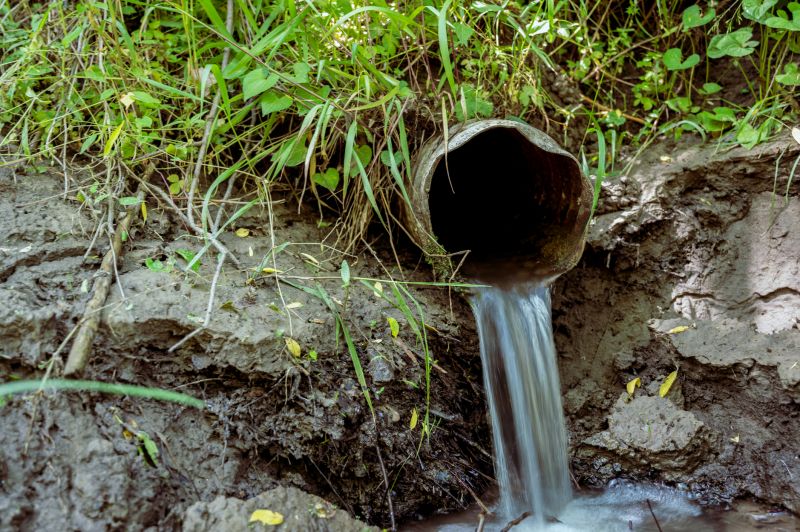
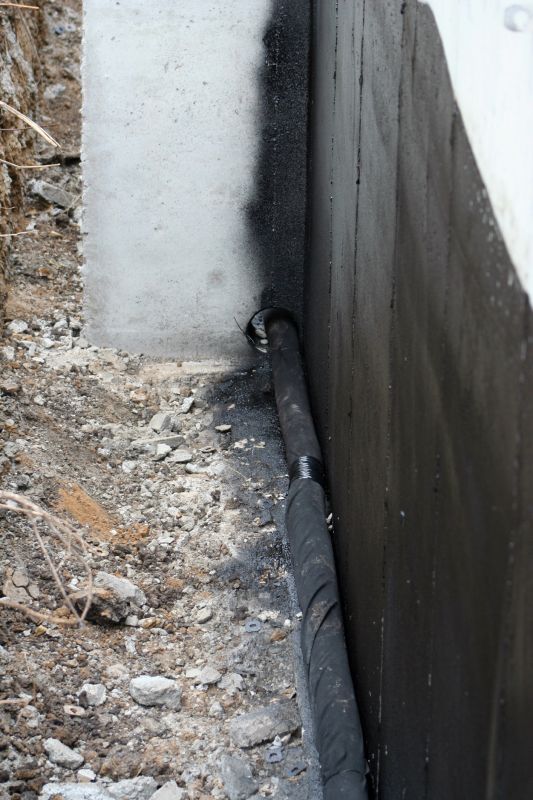
This scope builder helps compare local contractors easily by defining work details, verifying experience, and setting clear expectations.
- Scope Definition - Clearly outline the specific drainage installation tasks required for the project.
- Experience Verification - Confirm that local contractors have relevant experience with drainage system installations.
- Material and Equipment Specification - Specify the types of materials and tools needed for the drainage work.
- Workmanship Standards - Establish quality expectations and standards for the installation process.
- Documentation and Agreements - Ensure all scope details are documented in written agreements before work begins.
When evaluating contractors for drainage installation services, it is important to consider their experience with similar projects. Homeowners should inquire about the types of drainage systems the service providers have installed in the past and whether they have handled projects comparable in size and complexity. A contractor with a proven track record in drainage solutions will be more familiar with common challenges and effective techniques, which can contribute to a smoother installation process. Verifying a contractor’s relevant experience helps ensure that the chosen service provider understands the unique requirements of the property and can deliver results aligned with the project’s scope.
A clear, written scope of work is essential when comparing contractors. Homeowners should seek detailed descriptions of the services included, such as site assessment, excavation, pipe installation, grading, and cleanup. A comprehensive scope helps prevent misunderstandings and ensures that all parties have aligned expectations. When reviewing proposals or estimates, it’s beneficial to confirm that the scope covers all necessary aspects of the drainage installation, including any preparatory work or post-installation inspections. Clear documentation of the scope also provides a basis for evaluating whether the contractor’s approach matches the homeowner’s needs.
Verification of fundamental project details is a critical step in the comparison process. Homeowners should ask contractors about their process for assessing site conditions, such as soil type, slope, and existing drainage issues. Confirming that the service providers plan to perform a thorough site evaluation can help identify potential challenges early. Additionally, it’s helpful to understand how contractors verify their work post-installation, such as through inspections or testing procedures. Establishing these verification practices ensures that the drainage system functions properly and meets the project’s objectives.
When comparing options, homeowners should focus on how each contractor communicates their approach and how well their proposals align with the project’s scope. It’s valuable to review the details of each service provider’s methodology, including the steps they take to ensure quality and reliability. Asking for references or examples of completed drainage projects can provide insight into their expertise and consistency. By assessing the thoroughness of their planning, the clarity of their scope, and their verification methods, homeowners can make informed decisions about which local contractors are best suited to handle their drainage installation needs.
Ask contractors to provide written scope details to ensure clear understanding and consistent expectations throughout the project.
- Experience and Expertise - What experience do local contractors have with drainage installation projects similar to yours?
- Scope of Work - How do contractors define and outline the specific scope and expectations for the drainage installation?
- Materials and Methods - What types of materials and installation methods do local service providers typically recommend for durability?
- Project Planning - How do contractors plan to coordinate the project to ensure all aspects of drainage installation are covered?
- Documentation and Agreements - What details are included in the written scope and agreements to clarify project responsibilities?
How can I compare drainage installation contractors? It’s helpful to review their experience, verify references or reviews, and assess the scope of services they offer to ensure they meet the specific needs of the project.
What should I consider when defining the scope of drainage installation? Clearly outline the area to be serviced, the type of drainage system required, and any specific site conditions to ensure contractors understand the project requirements.
How do I verify a contractor’s experience with drainage installation? Ask for details about their previous projects, request references, and review any available portfolio or case studies relevant to drainage systems.
Why is it important to put project expectations in writing? Having a written agreement helps clarify the scope, materials, and responsibilities, reducing misunderstandings and providing a reference throughout the project.
What questions should I ask potential contractors about their services? Inquire about their approach to drainage installation, the materials they use, and how they handle unforeseen site conditions or challenges.
How can I ensure a contractor is suitable for my drainage project? Evaluate their experience, verify references, and ensure they understand your project scope to find the best match for your needs.
Understanding the key aspects of drainage installation, including defining the scope of work, verifying experience, and setting clear expectations in writing, can help ensure the project meets your needs. By comparing different service providers, you can find the right fit for your specific requirements and make informed decisions throughout the process.
Using the quote form allows you to easily connect with nearby contractors who specialize in drainage installation. This provides an opportunity to review your options, gather details, and choose the service provider best suited to handle your project.